
Rinjani Trekking – Complete Guide to Hiking Mount Rinjani
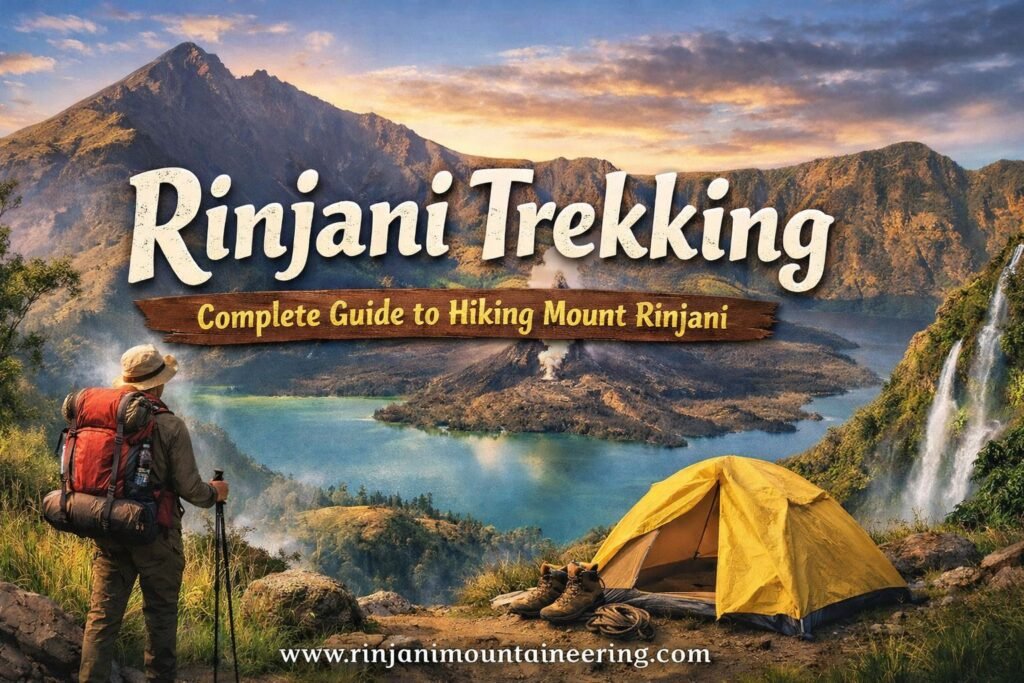
Rinjani Trekking is one of the most extraordinary hiking experiences in Southeast Asia. Located on the island of Lombok, Mount Rinjani stands at 3,726 meters above sea level, making it the second-highest volcano in Indonesia.
Every year, thousands of hikers from around the world come to experience the challenge, beauty, and spiritual atmosphere of this majestic mountain. From the breathtaking crater lake to panoramic summit views, Rinjani Trekking offers a once-in-a-lifetime adventure.
Whether you are an experienced hiker or a first-time volcano climber, this guide will help you understand everything about hiking Mount Rinjani.
Why Choose Rinjani Trekking?
1. Spectacular Summit Views
Reaching the summit of Mount Rinjani is a rewarding achievement. From the top, you can see Bali, Sumbawa, and the surrounding ocean. On clear mornings, the sunrise from the summit is unforgettable.
2. The Beautiful Segara Anak Lake
Inside the crater lies Segara Anak, a stunning turquoise lake surrounded by dramatic cliffs. Many trekkers camp near the lake and even enjoy natural hot springs nearby.
3. A True Adventure Experience
Unlike typical mountain hikes, Rinjani Trekking combines steep volcanic terrain, rocky paths, forest trails, and high-altitude challenges. It is physically demanding but incredibly satisfying.
Rinjani Trekking Routes
There are several official trekking routes available:
Senaru Route
The Senaru route is the most popular. It offers scenic views of the crater rim and is ideal for trekkers who want to enjoy the landscape without necessarily reaching the summit.
Best for:
- 2 Days 1 Night crater rim program
- Beginners with moderate fitness
Sembalun Route
The Sembalun route is recommended for summit attempts. It has a gradual ascent in the beginning but becomes challenging before reaching the peak.
Best for:
Torean Route
The Torean route is known for its dramatic scenery, waterfalls, and river valleys. It is often used as a descent route after reaching the summit.
Rinjani Trekking Programs
2 Days 1 Night (Summit Program)
This is the most popular Rinjani trekking package. Trekkers start from Sembalun, camp near the crater rim, and attempt the summit at around 2 AM the next morning.
Pros:
- Short duration
- Budget-friendly
- Perfect for strong hikers
Cons:
- Physically intense
- Limited time at Segara Anak Lake
3 Days 2 Nights (Summit + Lake)
This program allows trekkers to enjoy the summit and spend time at Segara Anak Lake.
Pros:
- More relaxed pace
- Hot spring experience
- Full Rinjani adventure
This option is highly recommended for international travelers who want a complete Mount Rinjani hike experience.
Best Time for Rinjani Trekking
The official trekking season usually runs from April to December. The mountain is typically closed during the rainy season (January to March) for safety reasons.
Best months:
- May to September (dry season)
- Clear skies and stable weather
Avoid:
- Heavy rainy months
- Booking extremely cheap operators without safety standards
Difficulty Level of Rinjani Trekking
Rinjani Trekking is considered challenging. The summit push is especially demanding due to loose volcanic sand and steep inclines.
You should:
- Have good cardiovascular fitness
- Exercise regularly before the trek
- Prepare mentally for long hiking hours
If you go to the gym 4–5 times per week, you likely have a good base level of fitness for the trek.
What Is Included in a Rinjani Trekking Package?
A professional Rinjani trekking company typically includes:
- Licensed trekking guide
- Experienced porters
- Camping equipment (tent, sleeping bag, mattress)
- Meals and drinking water
- National park entrance ticket
- Transportation (pick-up and drop-off)
Some premium operators also provide:
- Camping chairs and tables
- Fresh fruit and high-quality meals
- Safety equipment and insurance
Always choose a company that prioritizes safety over low prices.
How Much Does Rinjani Trekking Cost?
The cost of Rinjani trekking varies depending on:
- Duration (2D1N or 3D2N)
- Group size
- Service level (standard or luxury camping)
- Private or shared trip
On average, prices range from USD 180 to USD 350 per person for standard packages.
Be cautious of prices that are too cheap. Extremely low prices often mean compromises in safety, food quality, porter welfare, or equipment standards.
Essential Tips for Rinjani Trekking
1. Train Before You Go
Start training at least 4 weeks before your trek:
- Cardio workouts
- Leg strengthening
- Stair climbing
2. Bring Proper Gear
Important items:
- Hiking shoes with good grip
- Warm jacket (temperature can drop below 5°C)
- Headlamp
- Gloves and hat
3. Stay Hydrated
Drink enough water and avoid alcohol before the summit push.
4. Respect the Mountain
Mount Rinjani is considered sacred by local Sasak and Balinese communities. Always follow local regulations and never litter.
Safety Considerations
Rinjani Trekking is safe if done with a licensed operator. However, risks include:
- Altitude sickness
- Slippery volcanic sand
- Weather changes
- Physical exhaustion
Make sure your guide:
- Carries a first aid kit
- Knows emergency evacuation procedures
- Is registered with the national park
Why Rinjani Trekking Is Worth It
Rinjani Trekking is more than just climbing a mountain. It is a journey of endurance, discipline, and self-discovery.
The combination of:
- Epic sunrise views
- The turquoise crater lake
- Star-filled night skies
- Cultural experience in Lombok
makes it one of the best volcano treks in the world. Many hikers describe it as life-changing.